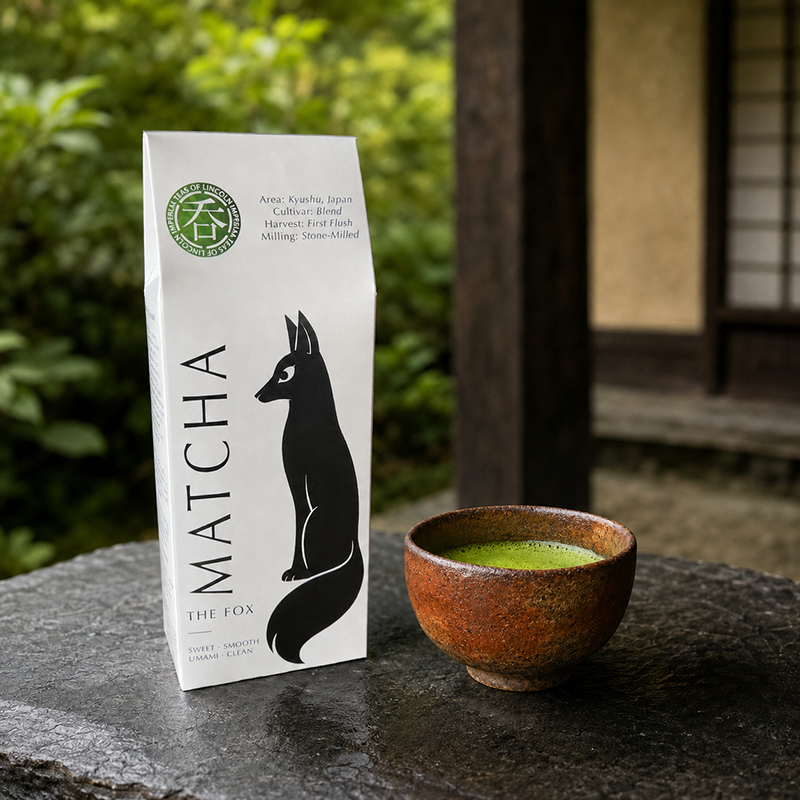
How do you know whether matcha is good?
Matcha has become enormously popular, which is wonderful.
It has also acquired an impressive collection of rules, grades, colour charts, ceremonial claims and social media mythology.
Some of that information is useful.
Some of it isn't.
I come back to the same principle we use with every tea:
taste it.
A good matcha should give you pleasure.
That sounds embarrassingly obvious, but it is quite easy to forget when confronted with enough Japanese terminology and photographs of vividly green powder.
What actually makes a difference?
Matcha begins with tea plants grown specifically to produce tencha, the leaf from which matcha is made.
Before harvest, the plants are shaded. Reducing the available light changes the chemistry of the growing leaf and helps produce the sweetness, umami and rich green character associated with fine matcha.
The leaves are harvested, steamed, dried and carefully processed into tencha before being milled into an extremely fine powder.
At the upper end, every one of those stages matters.
The cultivar matters.
Where it is grown matters.
The harvest matters.
The skill of the producer and tea master matters.
And the final blending matters.
That is why two tins of apparently similar Japanese matcha can taste completely different.
What should it taste like?
Fine matcha can be extraordinarily complex.
Sweetness.
Fresh green notes.
Umami.
Creaminess.
Soft floral characteristics.
Nuts.
Occasionally fruit.
Some have an almost savoury depth.
A little bitterness isn't necessarily a fault — tea is tea — but harshness shouldn't be the dominant experience in a fine matcha prepared correctly.
Our own range deliberately covers different styles because I don't believe there is one universally “best” matcha.
Someone making a latte has very different requirements from somebody whisking a small bowl with water and drinking it pure.
And what about “ceremonial grade”?
It can be a useful shorthand, but don't treat the words on the front of a packet as a guarantee.
There isn't a single worldwide grading authority issuing medals before anyone is allowed to print “ceremonial” on a tin.
Look beyond it.
Origin. Producer. Harvest. Colour. Aroma. Texture.
And finally — inevitably — flavour.
How to drink it
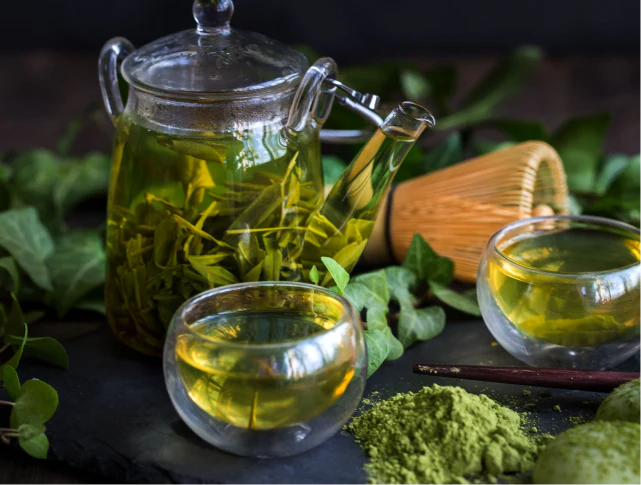
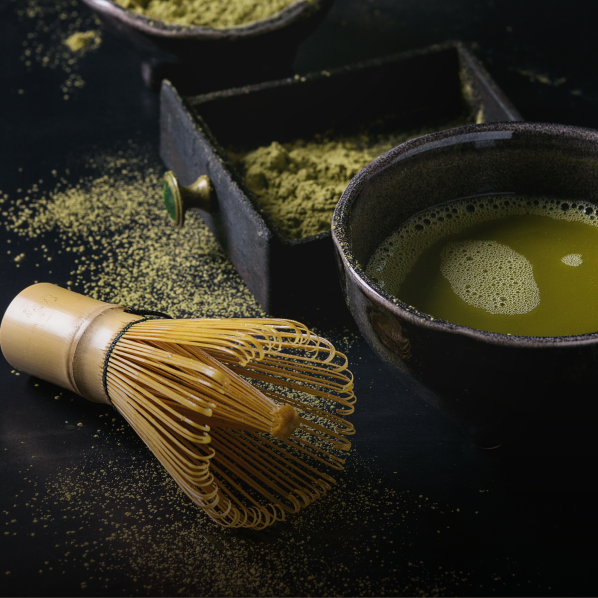
For traditional matcha, sieve a small amount into a bowl, add water below boiling point and whisk briskly until it forms a fine foam.
You can also enjoy matcha over ice or with milk.
And yes, you can add sweetness.
The tea police have yet to call at our shop.
For a very fine matcha I would certainly taste it pure first. You have paid for those delicate characteristics, so give them a chance.
After that?
It's your tea.