
Matcha Tea: Science, Terminology, and Finding Your Flavour
We've been selling matcha tea for 34 years, but I think we can safely say that 2025 is the year that its popularity has exploded. The result of this is that there isn't enough to meet demand, prices have gone through the roof and there is so much misinformation that it must be bewildering to navigate.
I've put the following information together to address some of the many questions I'm asked. Mostly, I just want to help you enjoy the rewards of drinking matcha, whether it's ours or someone else's! Preferably ours!
Our range of matcha is made with premium, first flush 'tencha', from several different growing regions, using different varietals to show some of the many different characteristics that can be enjoyed.
What Is Matcha?
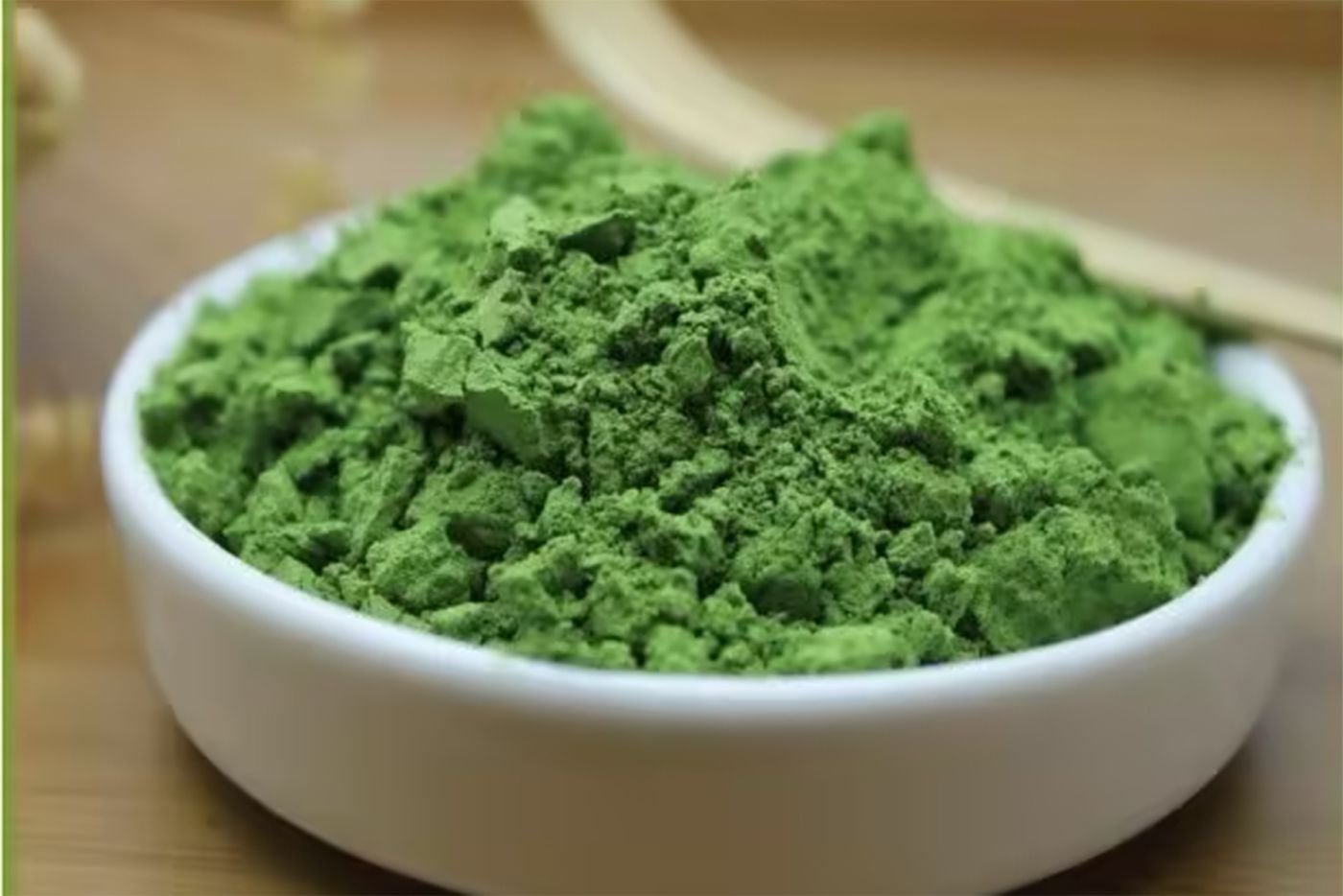
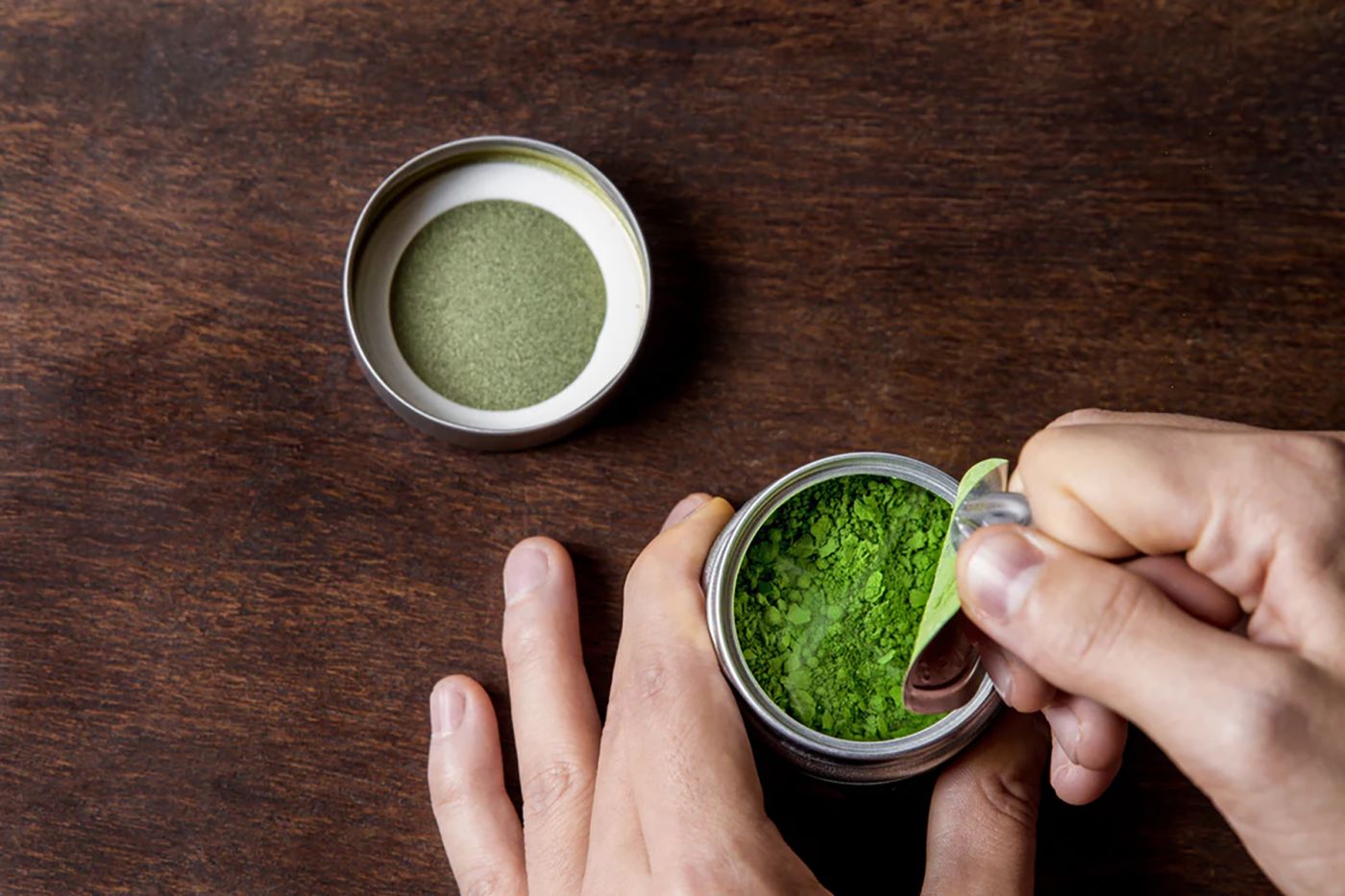
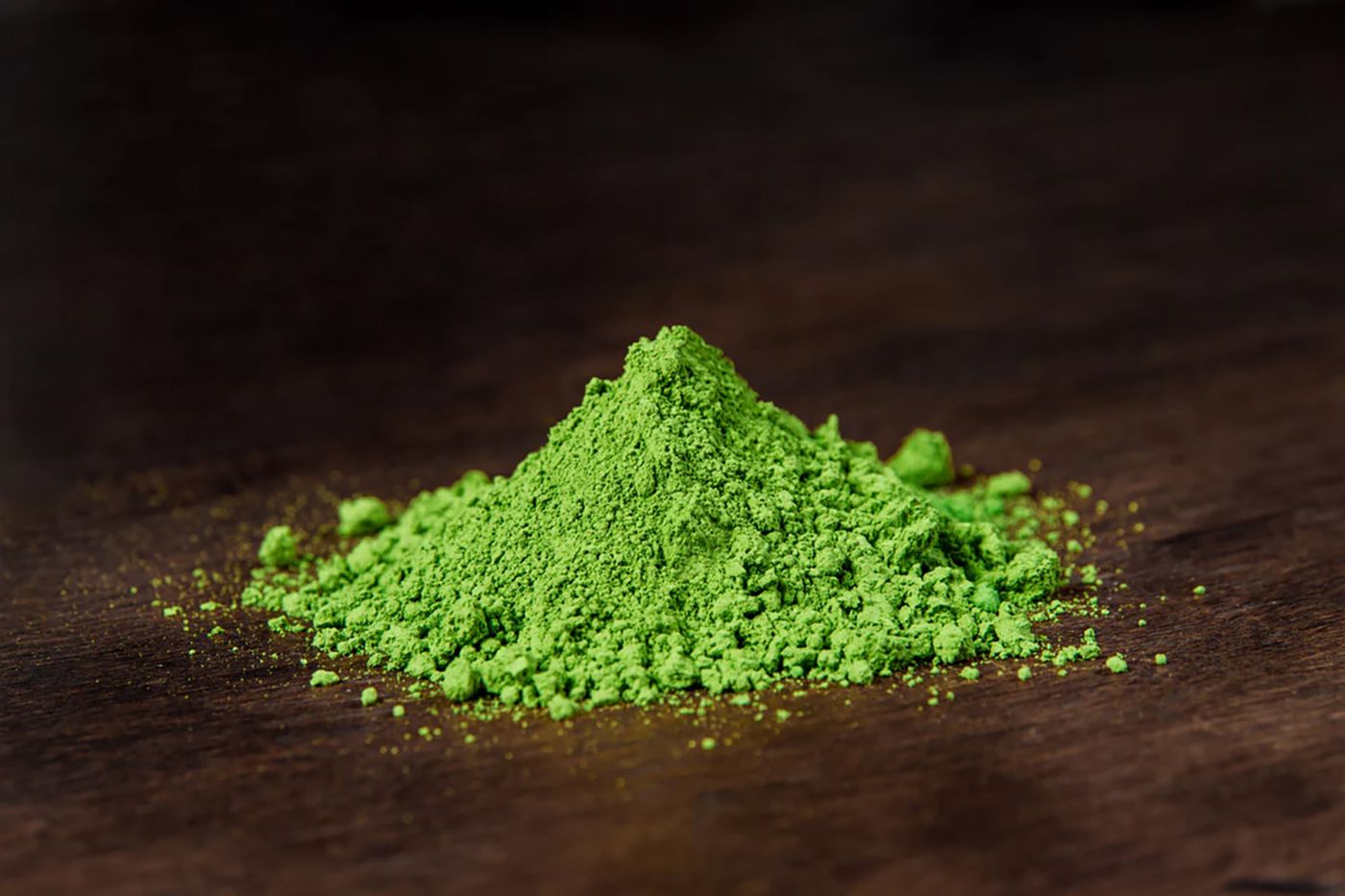
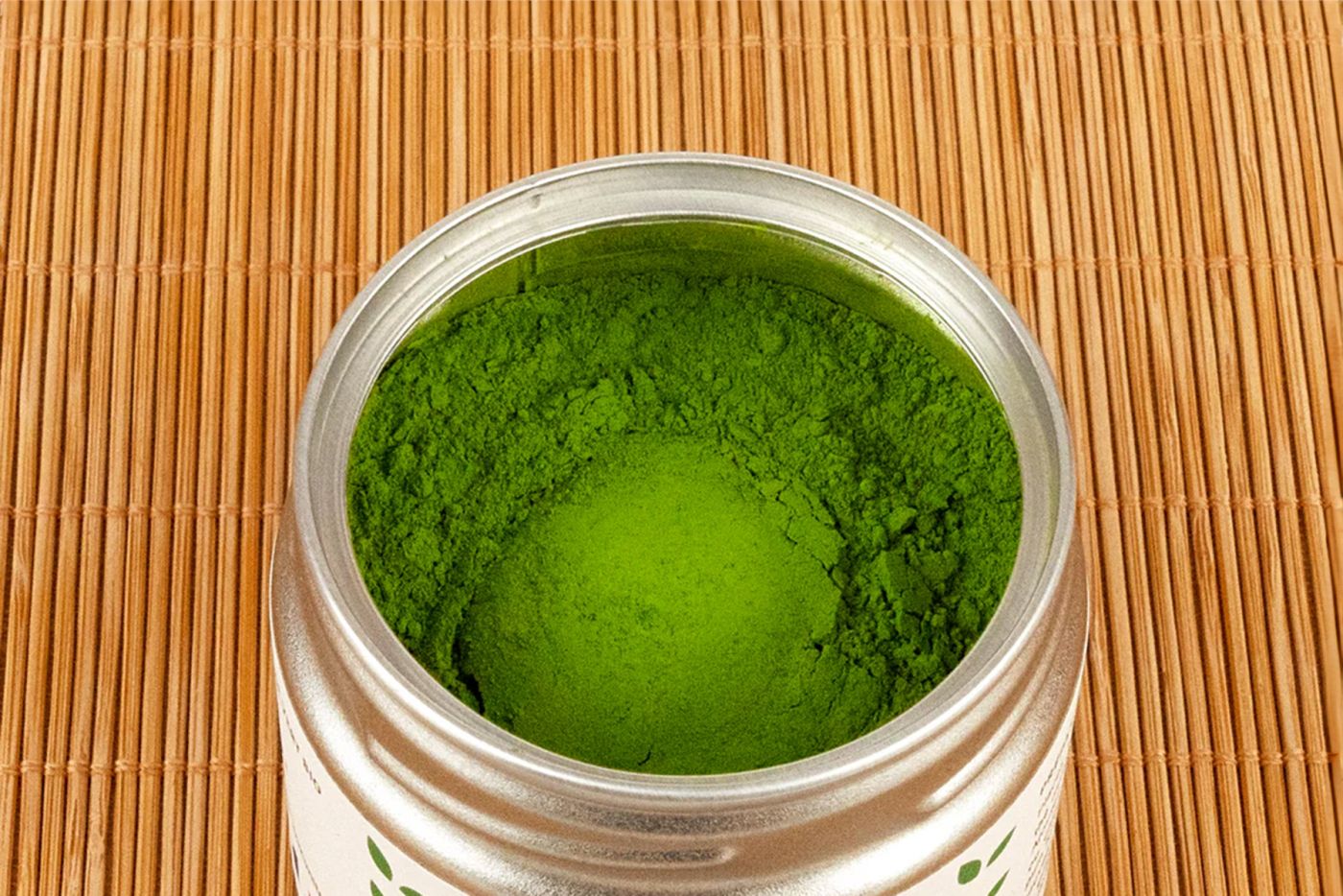
Matcha is a finely ground powder made from specially grown and processed green tea leaves, traditionally cultivated in Japan, which are shaded in dark netting for 30 days prior to harvesting.
Unlike steeped green tea, where leaves are removed after brewing, matcha is consumed whole—meaning you ingest the full spectrum of nutrients present in the tea leaf. This distinction gives matcha a unique profile of health benefits and a rich, umami-forward flavour.
Scientific Insights into Matcha
Recent studies have highlighted matcha's dense nutritional composition. It contains high levels of catechins, particularly epigallocatechin gallate (EGCG)—a potent antioxidant linked to cardiovascular benefits, metabolic support, and neuro-protective effects.
Matcha also provides L-theanine, an amino acid that promotes a calm, focused state when paired with caffeine, producing what researchers call "alert relaxation." This synergistic effect is why matcha is favoured for mental clarity and sustained energy without the jitteriness associated with coffee.
Clarifying the “Ceremonial” Confusion
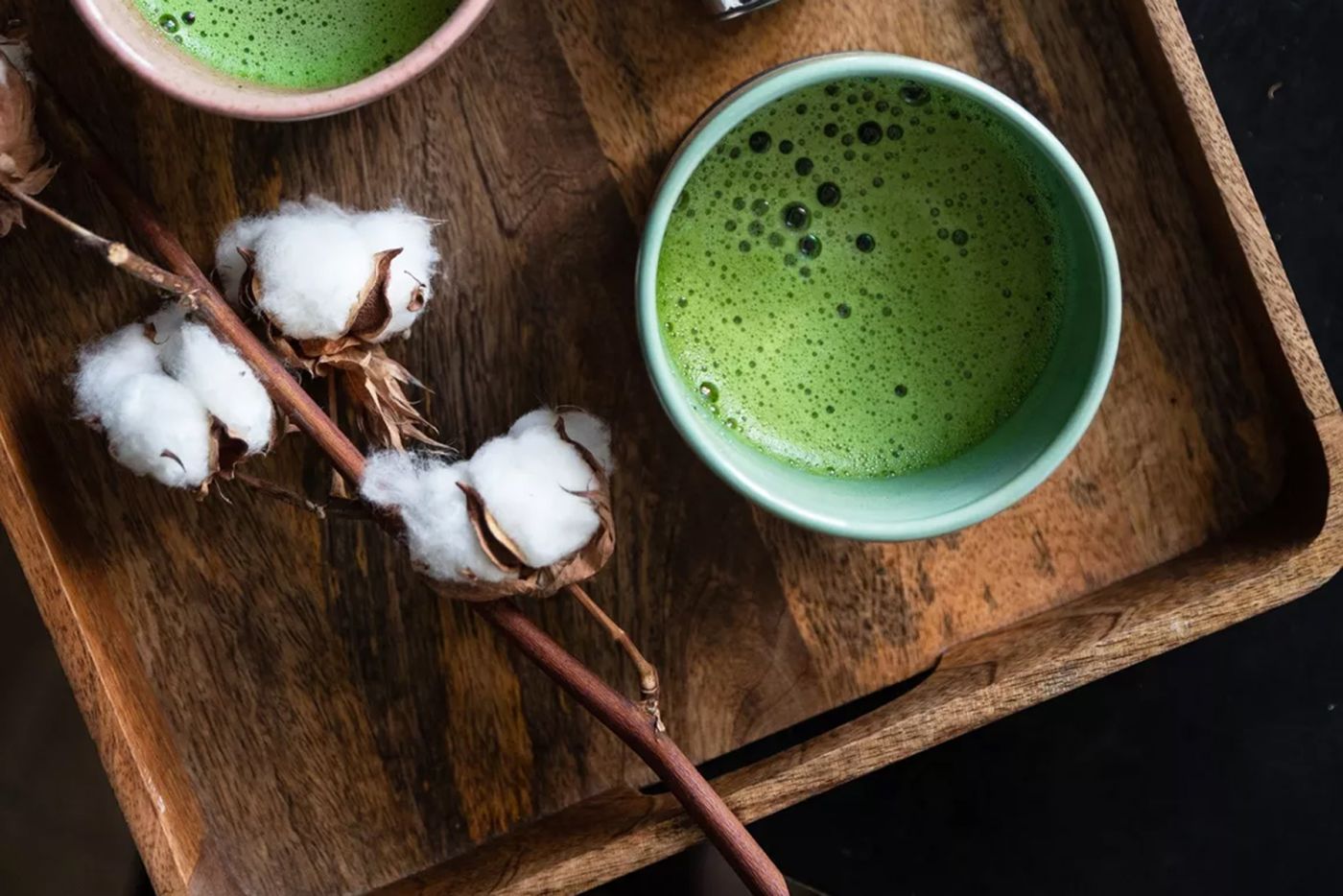
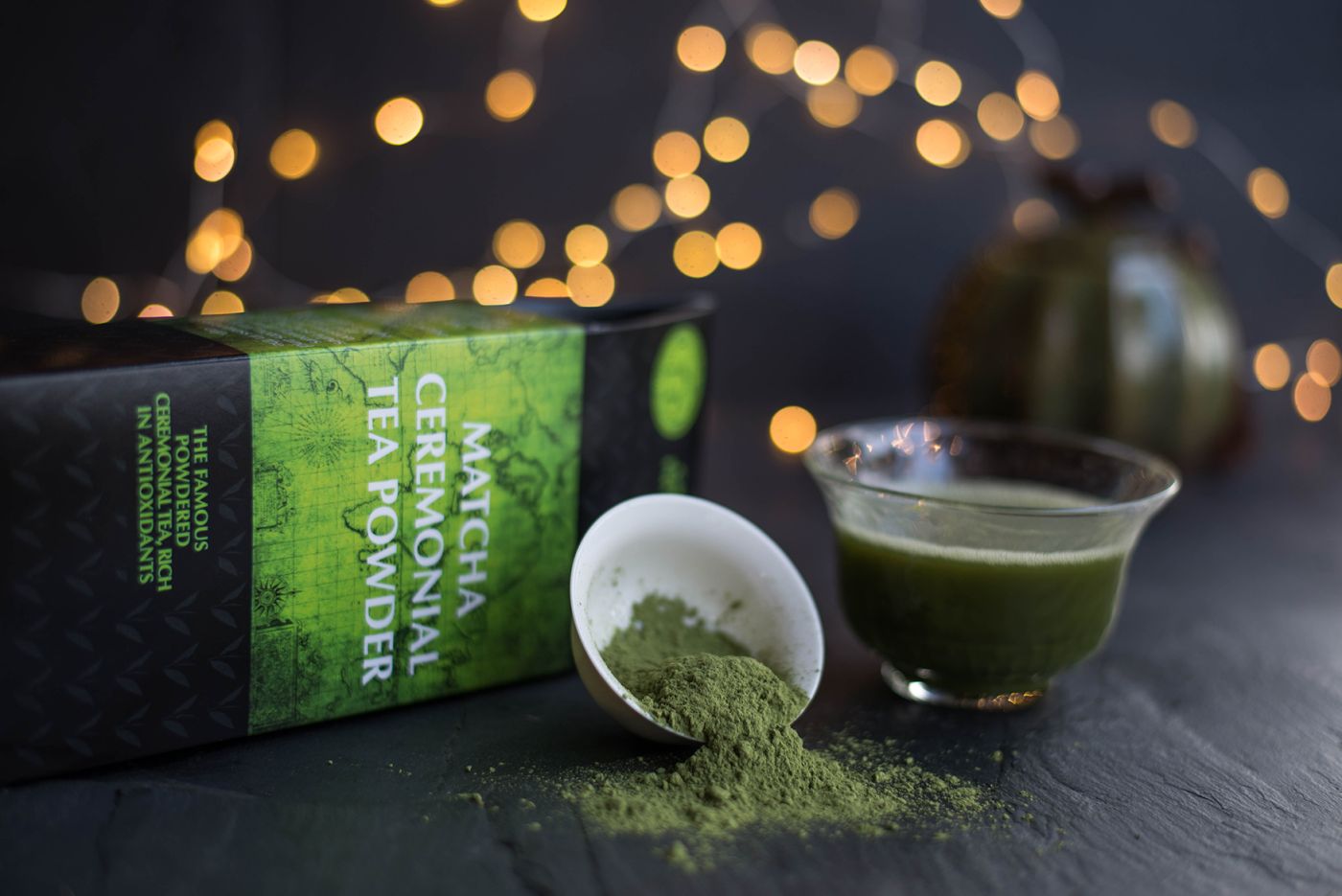
There’s a common misconception that “ceremonial” is a grade of matcha quality. In truth, ceremonial refers to how the tea is prepared and used—namely, in the Japanese tea ceremony (chanoyu), where matcha is whisked with water and consumed without additives.
While "ceremonial grade" has become a popular marketing term to denote high-quality matcha (bright green, finely milled, with a sweet, smooth flavour), there is no official or regulated grading system in Japan. What’s often sold as “ceremonial grade” is truthfully just matcha that's suitable for traditional preparation.
Don't get bogged down in that. It’s at best subjective, and at worst, misleading. If you're buying from a specialist, you can be assured that they’ve carefully curated their selection in partnership with expert matcha blenders. In my case, I will only sell what I would drink myself—and I'm very, very fussy.
Finding Your Favourite Taste
Because matcha is complex—ranging from grassy and vegetal to sweet and nutty—there's no single “best” matcha. Once a certain quality standard is reached, it's very subjective trying to decide what's best.
I say don’t worry about it! Your favourite matcha may not be the most expensive or the one labeled as "ceremonial." Taste preferences vary depending on freshness, cultivar, growing region, and perhaps even more importantly, how it’s prepared.
Some enjoy the bold, bitter depth of matcha meant for lattes, while others prefer the soft umami of pure, traditionally whisked matcha. Exploring different sources, brands, and styles is part of the journey.
Ultimately, the best matcha is the one that you enjoy drinking. Now get on with it!
-
£15.00A fine ceremonial matcha at a very reasonable price, grown in Nishio, Japan—renowned for its vibrant colour, intense aroma, and rich yet delicate taste. A favourite among tea ceremony masters. 30g pouch.
-
£72.00Ultra-premium matcha from Kirishima, Japan. Grown by the legendary Nishi-san near an active volcano, with gourmet notes of white chocolate and tropical fruit. Limited edition. 30g Tin.
-
£18.00Premium organic matcha from Uji, Japan. First harvest leaves, rich in umami with a mellow sweet taste. Ideal for tea ceremonies and daily rituals, hot or cold. 30g Tin.
-
£34.00Premium matcha from Kyushu, Japan. Crafted by tea master Daishi-san using a single annual harvest. Smooth, floral, rich in antioxidants—with no bitterness. 30g Tin.
-
£39.00Supreme quality matcha from Nishio, Japan—renowned for its rich umami, smooth texture, and vibrant green color. Perfect for daily rituals or ceremonial use. 30g tin.
-
£11.00We would recommend this economical matcha for anyone who wishes to use matcha to make latte, add to other liquids or foods. Whilst this is a delicious matcha by itself we feel we have others even more suited for drinking in the pure, ceremonial fashion. 40g packet.